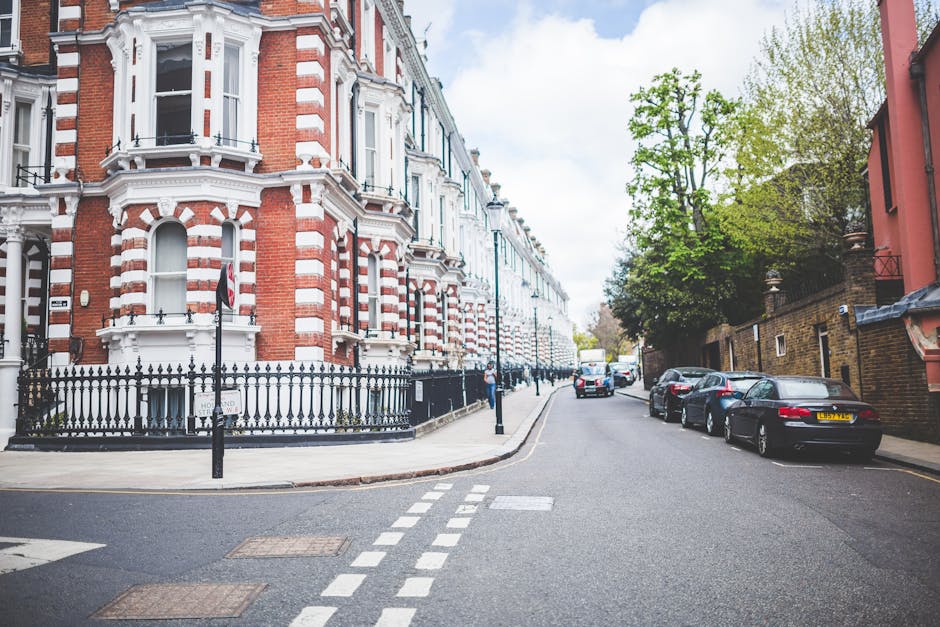
Highbury moving company guide to Islington Council parking rules
Posted on 24/06/2026
Highbury Moving Company Guide to Islington Council Parking Rules
If you are moving in Highbury, parking can make or break the day. A van that cannot stop near the property, a loading bay that is already full, or a permit issue that turns into a fine can add stress very quickly. This Highbury moving company guide to Islington Council parking rules is here to help you plan a smoother move, avoid common mistakes, and understand the practical side of parking around N5 and the wider Islington area.
Truth be told, most moving delays are not caused by the boxes. They are caused by the street outside. That means narrow roads, resident bays, school runs, suspended spaces, and the sort of "just for ten minutes" stopping plan that sounds fine until a Civil Enforcement Officer appears. In this guide, we break down the moving-day parking picture in plain English, with sensible steps you can actually use.
If you are comparing moving support options as well, it may help to look through the wider services overview and the team's about us page to get a feel for how a local mover works. You can also explore house removals in Highbury, flat removals, or even man and van support in Highbury depending on the size of your move.
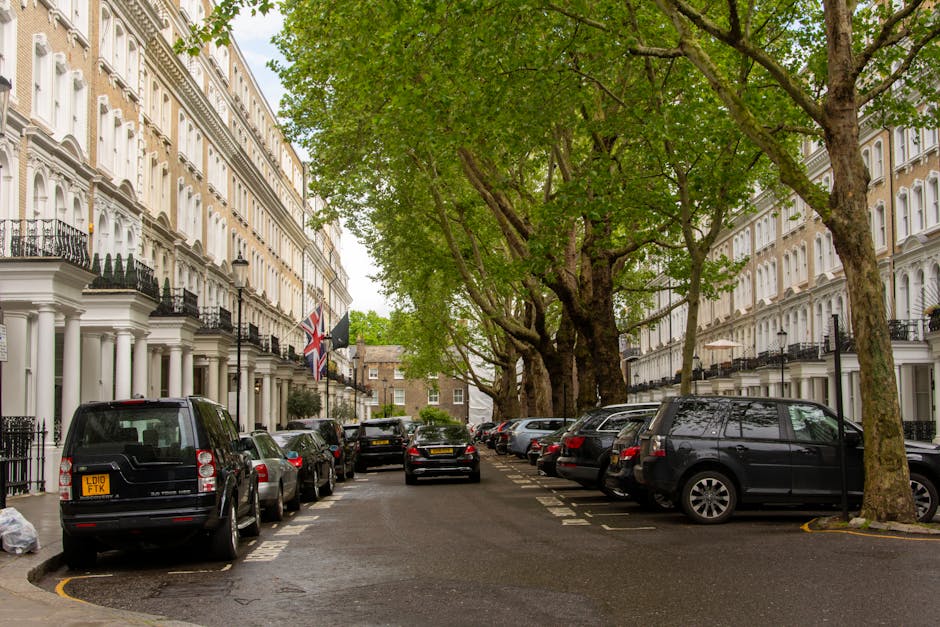
Why Highbury moving company guide to Islington Council parking rules Matters
Parking rules matter because removals are time-sensitive. A moving crew may have a tight schedule, a fragile item to protect, or a second job lined up later that day. If parking is not sorted, the whole operation can start to wobble. And in Highbury, where roads can be busy and spaces are often tightly controlled, that wobble can become a real delay.
For residents, the issue is not just convenience. It is about keeping the move controlled, legal, and calm. A properly parked van can shorten carrying distance, reduce the risk of damage, and save the team from repeatedly shuttling items up and down the street. That sounds obvious, but you notice the difference very fast when you are carrying a sofa through a wet London morning. Not fun.
It also matters commercially. A mover that understands local parking conditions is more likely to quote accurately and less likely to spring unpleasant surprises later. If you are pricing a move carefully, the guidance in pricing and quotes and the article on avoiding hidden charges on Highbury removal quotes can help you spot where parking and access costs may show up.
Highbury is also the sort of place where one street feels easy and the next feels impossible. A road near a station or a busier stretch can have very different stopping conditions from a quieter residential side street. If you know that before moving day, you can plan the van position, the loading time, and the crew's route in a much more sensible way.
How Highbury moving company guide to Islington Council parking rules Works
In simple terms, the parking side of a move usually comes down to three things: where the vehicle can stop, how long it can stay there, and whether any restrictions apply at the time of the move. In Islington, that may include resident bays, pay-by-phone bays, loading bays, single yellow lines, double yellow lines, kerb restrictions, suspended spaces, or permit-controlled areas. The exact rules depend on the street and the time of day.
A moving company normally looks at the route, the access point, and the likely stopping place before the job starts. In some cases, the stop is straightforward. In others, the team may need a short-term parking permission, a loading arrangement, or an alternative plan for unloading a few doors away. There is no single magic answer. It depends on the street, the property type, the van size, and how busy the area is.
In practice, the mover should work out whether the van can safely and legally pause close enough for efficient loading. If not, the plan may shift to a nearby legal bay, a later arrival window, or a smaller vehicle. That is one reason some customers use a smaller removal van in Highbury or a flexible man with a van in Highbury service when access is tight.
For flats, parking can be trickier than for houses. Shared entrances, concierge rules, courtyard access, and no-standing areas can all affect the unloading point. If you live in a top-floor flat with a narrow staircase, you will want to be especially careful. A specialist flat removals Highbury service is usually better prepared for that kind of access puzzle.
Key Benefits and Practical Advantages
The benefit of understanding Islington Council parking rules is not just "avoiding a ticket", although that matters enough on its own. The real advantage is control. When the parking plan is sorted, the whole move tends to feel less chaotic. People know where to stand, where to park, and where the boxes are going.
- Less wasted time: The team can get straight to loading and unloading instead of circling for a legal space.
- Lower risk of damage: Shorter carrying distance usually means fewer knocks to walls, furniture, and door frames.
- Better quote accuracy: Access issues are easier to price properly when discussed in advance.
- Reduced stress: You are not trying to improvise street parking while juggling keys, movers, and a phone call from the landlord.
- Cleaner handover: If there is a schedule to leave by a certain time, parking clarity helps the move stay on track.
There is also a subtle benefit that people overlook: neighbour relations. No one wants a van blocking a driveway or straddling a narrow street during the school run. A carefully planned stop shows respect for the area, which tends to make everything easier on the day. Small thing, big difference.
For those moving larger households, or handling awkward pieces like wardrobes and sideboards, it may be worth pairing parking planning with the right service type. A family move may suit house removals in Highbury, while heavier or delicate items may need furniture removals support. If there is a piano involved, definitely do not wing it. The specialist approach matters; see piano removals Highbury.
Who This Is For and When It Makes Sense
This guidance is useful for almost anyone moving in Highbury, but some people need it more than others. If your property is on a busy road, near a station, on a narrow terrace street, or inside a controlled parking zone, you should treat parking planning as part of the move itself, not as an afterthought.
It makes especially good sense if you are:
- moving from a flat with limited on-street space
- arranging a same-day or short-notice move
- moving office equipment or stock
- using a larger van or full removals team
- working around school hours, commuter traffic, or permit bays
- unfamiliar with local parking controls in Islington
Students also fall into this category more often than they expect. Student lets often look simple on paper, but access can be awkward, especially in terraced streets and apartment blocks. If that sounds like your situation, student removals in Highbury can be a more practical fit than trying to improvise with a mate and a borrowed van.
Office moves are another story entirely. Deliveries, loading windows, and business hours can make street access more sensitive. A well planned office removals Highbury move should consider parking very early in the planning stage, not on the morning of the relocation. That is where people often trip up.
Step-by-Step Guidance
Here is a simple, realistic way to handle the parking side of your move without overcomplicating it.
- Check the exact street. Do not assume one Highbury road works like another. Review whether it is resident-only, pay-to-park, loading-only, or restricted at certain times.
- Look at the property access. Note gates, basement steps, narrow entrances, one-way streets, and any nearby obstruction that affects van positioning.
- Estimate the vehicle size. A smaller van may fit more easily, but a bigger load may still need a different solution. Match the vehicle to the access, not the other way round.
- Choose the right arrival window. Early mornings are often calmer than later in the day, but that is not a universal rule. Check local traffic patterns and any nearby school or commuter pressure.
- Speak to the mover in advance. Give them the address, floor level, front-door distance, and any known restrictions. The more precise you are, the more useful their advice will be.
- Prepare the loading point. Move bins, clear hallways, and make sure keys or entry codes are ready. Parking is only half the access puzzle.
- Keep a backup option. If the nearest bay is taken, have a Plan B. Even a simple alternative street can save the day.
One practical tip: if you know your street tends to fill up quickly, ask the removal team whether they can arrive slightly earlier and stage the van while you finish internal packing. It sounds like a small tweak, but it can prevent the kind of rush that makes everybody grumpy by 9:15am.
For more local context around moving routes and neighbourhood quirks, the articles on Highbury removals guide for N5 streets and Highbury Fields and Blackstock Road moving tips are handy companions to this guide.
Expert Tips for Better Results
A few habits make a surprisingly big difference. First, take parking as seriously as packing. They are linked. If the van cannot get close, even the neatest box stack becomes a long walk with aching arms and, frankly, a bit of muttering.
Second, give your mover detailed instructions rather than broad reassurance. "Parking should be fine" is not very useful. "There is a single bay outside, but it is resident-only after 10am" is much better. Be specific. It helps everyone.
Third, think about the type of move. A small one-bedroom flat with a few bags may work well with a man and van Highbury setup, while a larger family home may benefit from a fuller removals team and a more formal plan. If you are unsure which route is right, a comparison like real cost of Highbury man and van versus removals firms is worth reading.
Finally, don't forget the aftercare side. If the move date is settled but your new place is not ready, storage can take pressure off the parking timeline. A temporary storage solution in Highbury can mean you move in stages instead of trying to cram everything into one painful day.
Expert summary: The best moving-day parking strategy is usually the least glamorous one: plan early, measure access honestly, and leave yourself one backup option. That alone solves more problems than most people expect.

Common Mistakes to Avoid
Most parking problems during moves come from the same few mistakes, and they are very avoidable.
- Assuming the street is "fine": A space that looks open at 7am may be fully used by 9am.
- Ignoring loading restrictions: Some bays and yellow lines have time-based rules that are easy to miss if you are in a rush.
- Not checking for suspensions: A temporary restriction can turn an apparently perfect spot into a bad idea.
- Choosing the wrong vehicle size: A van that is too large can create access issues, while one that is too small can mean extra trips.
- Leaving parking to the morning of the move: That is usually when avoidable stress shows up.
- Forgetting about building access: Even if the parking is legal, the route from van to front door may still be awkward.
Another common issue is underestimating quote complexity. If a company has not asked about parking, it may not have fully assessed your move. That does not always mean trouble, but it should make you ask a few more questions. The guidance in avoiding hidden charges on Highbury removal quotes is useful here because access and parking can become hidden costs if they are not discussed properly.
And yes, sometimes people assume they can "just stop for a minute". That is not a strategy. It is a hope. London streets rarely reward hope.
Tools, Resources and Recommendations
You do not need a complicated toolkit, but a few simple resources help a lot. Start with clear notes about your address, the move date, the floor level, and the vehicle size. Keep all that in one place. Old-fashioned? Maybe. Useful? Definitely.
It also helps to have:
- a written summary of the route from street to front door
- photos of the parking area and entrance
- notes on any gate codes, concierge rules, or access times
- a list of bulky items that might slow loading
- contact details for your mover and building manager
If you are packing at the same time, use the opportunity to sort what stays, what goes, and what should be stored. The pages on packing and boxes in Highbury and removal services in Highbury can be useful for shaping the rest of the move around your parking plan.
For customers who want a wider view of how local moving support is structured, removal companies in Highbury and removals Highbury give a broader sense of what is available. If you are still comparing options, the page on insurance and safety is a sensible read too. Not flashy, but useful, which is what moving days actually need.
Law, Compliance, Standards and Best Practice
Parking and loading rules are not just "house rules" for the street. They are part of local traffic management, and they should be treated carefully. While every street can differ, the general expectation is simple: park legally, do not block access unnecessarily, and follow any signed restrictions that apply at the time.
From a best-practice perspective, a moving company should:
- ask about parking before the move date
- explain any likely access limitations clearly
- avoid encouraging unlawful stopping
- plan around loading constraints where possible
- keep the customer informed if the plan changes on arrival
If a bay is reserved, suspended, or subject to a time-limited restriction, the mover should treat that seriously. The same goes for pedestrian safety, especially on streets with narrow pavements or busy foot traffic. In our experience, the safest moves are usually the boring ones: clear communication, legal parking, and no improvisation under pressure.
Best practice also includes respect for building rules, neighbours, and shared access areas. If you are moving out of a managed flat block, check whether the management company wants delivery windows, booking slots, or lift protection. A good mover should ask these questions naturally. If they do not, ask them yourself. No drama, just practicality.
Options, Methods, and Comparison Table
Different parking approaches suit different moves. Here is a straightforward comparison of the most common ways Highbury moves are handled.
| Method | Best for | Pros | Watch-outs |
|---|---|---|---|
| Street-side legal parking near the property | Most residential moves where a legal bay is available | Shortest carrying distance, efficient loading | May require early arrival and careful timing |
| Nearby loading bay or permitted stopping point | Busy roads or controlled zones | Can be more compliant and predictable | May mean a longer walk with items |
| Smaller vehicle for tighter streets | Flat moves, narrow roads, limited access | Easier manoeuvring, less street disruption | May require more trips if the load is large |
| Two-stage move with storage | Complex handovers or delayed completion | Reduces pressure on moving day | Extra planning needed, but often worth it |
There is no universally "best" method. The best one is the one that matches your street, your load, and your timeline. A lot of problems come from trying to force one solution onto a street that clearly needs another.
If you are moving urgently, a faster service such as same day removals in Highbury can help, but only if parking and access are sorted early. Same-day work is where parking assumptions tend to collapse first, so the less guessing, the better.
Case Study or Real-World Example
Here is a realistic example from a typical Highbury move. A couple were moving out of a first-floor flat on a fairly busy street near the station. They assumed the van could stop directly outside for an hour. On inspection, the road was controlled, the nearest bay was already partly occupied, and the street narrowed at one end more than they expected.
Rather than forcing the issue, the mover adjusted the plan. The van arrived slightly earlier, the team used a nearby legal stopping point, and the couple finished carrying the last boxes while the van was being loaded. It was not perfect, and there was a bit of extra walking, but the move stayed legal and the schedule held together. No tickets, no shouting, no awkward calls to the landlord. Which, honestly, is a win.
What made that move work was not luck. It was preparation. The couple had shared photos of the street, mentioned the floor height, and flagged the bulky items in advance. They also had a backup plan for one awkward sofa, which turned out to be the right call. That's the kind of simple planning that saves a moving day from becoming a saga.
Practical Checklist
Use this checklist before your moving day. It is short on purpose.
- Confirm the exact address and post code
- Check parking restrictions for the move date and time
- Identify the nearest legal loading or stopping point
- Take photos of the street and building entrance
- Tell the mover about narrow roads, height limits, or busy periods
- Check if your building has any access rules or booking slots
- Keep keys, codes, and contact numbers ready
- Pack bulky items separately so they are easy to identify
- Have a fallback parking option if the first choice is taken
- Leave enough time for loading, not just the drive between properties
Quick takeaway: if you sort parking early, the move usually feels calmer, quicker, and far less risky. That is the whole game, really.
Conclusion
A good move in Highbury is rarely about brute force. It is about small decisions made early. Parking is one of those decisions. Get it right, and the day feels manageable. Get it wrong, and even the smoothest removals team has to spend time working around avoidable problems.
This Highbury moving company guide to Islington Council parking rules has hopefully shown you that the practical side of parking is not mysterious. It is a mix of street awareness, honest planning, and clear communication with your mover. If you are still in the comparison stage, look through the wider information on removal services in Highbury and house removals Highbury to see what kind of support matches your move.
If you want to go a step further, speak to a local team early and ask them to look at access as part of the quote, not after it. That one habit can save time, money, and a fair bit of stress.
Get a free quote today and see how much you can save.